The College Station Pest Team That Shows Up and Follows Up
Precision Pest Control works homes and rental properties throughout College Station, from the streets off Rock Prairie Road to the lots that back up to Texas A&M land near Wolf Pen Creek. Brazos Valley humidity and the clay soil under most yards here keep several pests active longer than in drier parts of the state. We build routes around how water actually moves through this town, not a generic calendar.
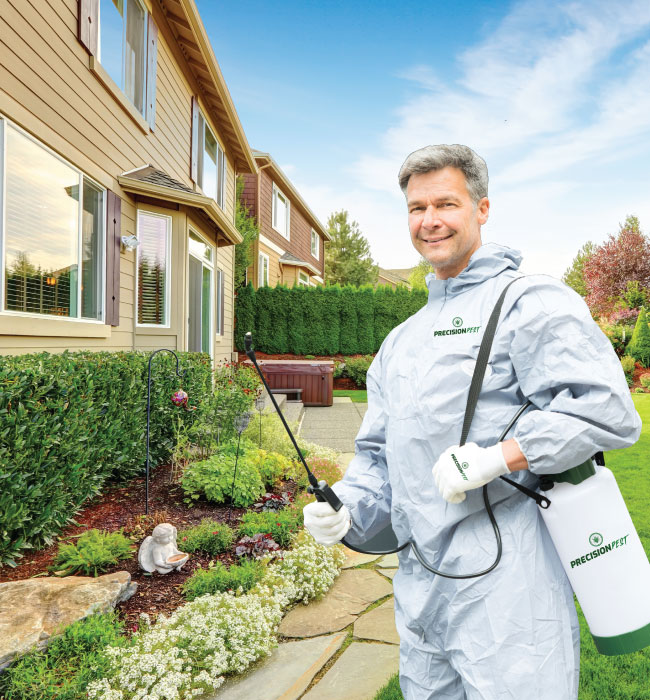

We see cockroaches working up from crawl spaces and floor drains wherever water sits near a foundation, which in College Station often means close to Carter Creek, Bee Creek, or a yard draining poorly toward the street. Ants and earwigs follow that same moisture into mulch beds and door thresholds, especially after the afternoon storms that roll through most of the growing season. Termites move through the damp clay under slab homes near the older parts of town, and spiders, wasps, and opossums turn up wherever a soffit or woodpile stays wet longer than it should. Humidity, more than heat, keeps this list active most of the year.
Pests we Specialize in Removing and Preventing


Pest Control Services from $57!
Schedule a FREE Estimate
Qualified and Trained Technicians

Proven Track Record and Reviews

Eco-Firendly and Safe Solutions

Transparent Pricing and Guarantee
College Station sits on ground that does not drain the way a lot of new residents expect. The clay under most subdivisions holds water instead of shedding it, and the creeks that cut through town, Carter Creek, Bee Creek, and the greenbelt along Wolf Pen Creek, stay damp well after a storm has passed. Add the humidity that rolls up from the Brazos bottomland most of the year and you get a water table that sits close to the surface on plenty of lots, especially in the older sections near downtown and the properties backing up to university land. That combination keeps roach and termite pressure high here even in months when the temperature says the season should be slowing down.
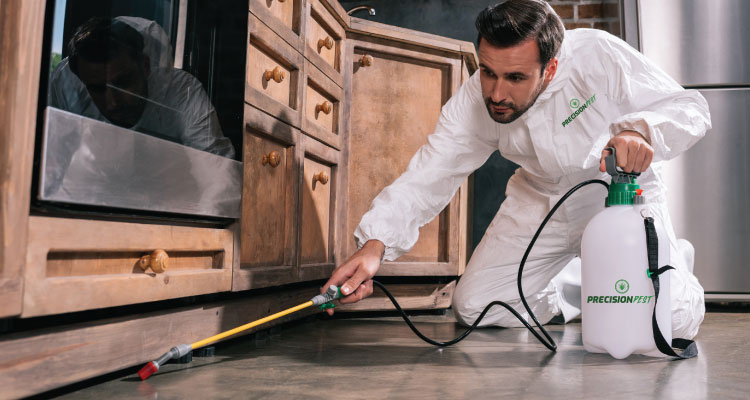
Because of that, we start every College Station visit at the places water actually collects, not with a blanket spray around the perimeter. That means checking crawl space vents, the grade where the yard meets the foundation, and any spot where gutters dump water close to the slab instead of away from it. Termite work has to account for slab construction over damp clay, so we treat along the foundation line where moisture is already doing half the work of drawing colonies in. For roaches and ants, we focus on floor drains, irrigation boxes, and mulch beds that stay wet, since those matter more here than they would somewhere with sandier soil and faster drainage.

See at Pest World!


See at Pest World!

Our Pest Control Service Locations
Florida
Arizona
Texas
Tennessee
Utah
Alabama
Hawaii
Pennsylvania
North Carolina
