Atlanta Pest Problems Have a Local Fix
Precision Pest Control works homes and businesses across Atlanta, from in-town bungalows near the BeltLine to high-rise units in Midtown and Buckhead. Georgia's humid summers and a mix of old wiring, shared walls, and dense multifamily buildings create conditions that favor a handful of persistent pests. We treat single-family homes, rental properties, and restaurants the same way, by finding where they are getting in and shutting it down.


German cockroaches are the pest we deal with most in Atlanta, moving between apartment units through shared plumbing lines and surviving on crumbs left in break rooms and behind refrigerators. Fire ant mounds show up fast in lawns and along sidewalks once the ground warms, and rats work the alleys behind restaurants downtown and in Midtown. We also treat mosquitoes breeding in gutters and low spots after summer storms, termites working the sill plates of older frame houses, and honey bees that occasionally set up in the wall voids of vacant buildings.
Pests we Specialize in Removing and Preventing


Pest Control Services from $57!
Schedule a FREE Estimate
Qualified and Trained Technicians

Proven Track Record and Reviews

Eco-Firendly and Safe Solutions

Transparent Pricing and Guarantee
Ask anyone who services multifamily buildings in Atlanta and German cockroaches come up before anything else. The reason is not bad housekeeping, it is the building stock. A large share of in-town housing near the BeltLine, Midtown, and Buckhead is attached or stacked, which means shared plumbing chases and wall cavities run continuously between units. One infested apartment can reinfest three neighbors within weeks, and spraying a single unit does almost nothing if the source colony is living behind a dishwasher two doors down. Add Atlanta's long, humid stretch from May through September and you get a species that breeds fast and never fully dies back over winter the way it might farther north.
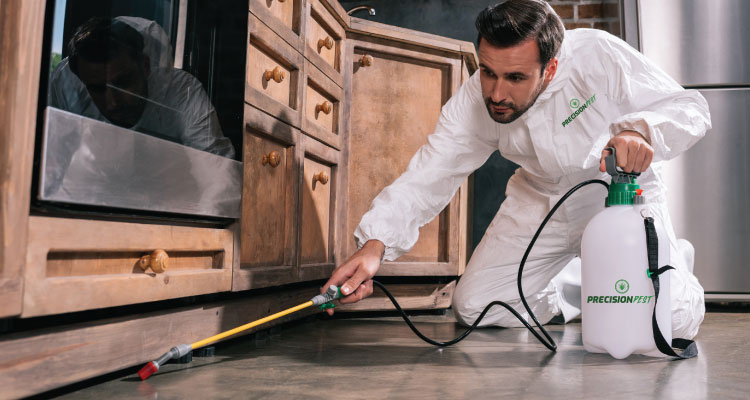
Because of that, we do not treat German cockroaches as a one-visit spray job. We inspect adjoining units where access allows, place gel bait at harborage points instead of broadcasting spray that scatters the colony, and set monitors to track where activity is actually coming from before we go back. Fire ants, rats, and mosquitoes get handled on their own schedule outdoors, mound treatments in spring, exterior rodent stations near dumpsters and utility lines, and larviciding standing water after storms, but the roach work is where a callback usually means the first visit missed the source, not that the product failed.

See at Pest World!




See at Pest World!

Our Pest Control Service Locations
Florida
Arizona
Texas
Tennessee
Utah
Alabama
Hawaii
Pennsylvania
North Carolina
